
Transformative FLW Concepts That Revolutionized Architecture and Design

Frank Lloyd Wright (FLW) reshaped the world of architecture and design with ideas that continue to influence how we build and live today. His work broke away from traditional styles and introduced concepts that blended nature, function, and form in ways that were fresh and practical. This post explores some of the key FLW concepts that changed architecture and design, showing how his vision still guides architects and designers.

Organic Architecture: Building with Nature
One of Wright’s most famous ideas is organic architecture. He believed buildings should grow naturally from their environment, not fight against it. This meant using local materials, following the land’s contours, and designing spaces that felt connected to the outdoors.
A prime example is Fallingwater, where the house is built over a waterfall, blending stone, wood, and water into a seamless experience. The design respects the natural setting and invites nature inside through large windows and open spaces.
This concept encourages architects to think beyond just the structure and consider the relationship between a building and its surroundings. It promotes sustainability and harmony, ideas that are more relevant than ever today.
Open Floor Plans: Freedom in Space
Before Wright, homes often had many small, separate rooms. He introduced open floor plans that removed unnecessary walls, creating flowing spaces that could serve multiple purposes. This approach made homes feel larger, brighter, and more flexible.
The Robie House in Chicago is a great example. Its living, dining, and kitchen areas flow into each other, encouraging social interaction and easy movement. This idea changed how people live and use their homes, influencing modern residential design.
Open floor plans also allow more natural light to reach deeper into the home, reducing the need for artificial lighting and making spaces feel more inviting.
Integration of Indoor and Outdoor Spaces
Wright’s designs often blurred the line between inside and outside. He used terraces, balconies, and large windows to extend living spaces into nature. This integration creates a sense of openness and connection to the environment.
The use of natural light and ventilation was not just aesthetic but practical. It improved comfort and reduced reliance on mechanical systems. Wright’s approach anticipated modern green building practices that focus on energy efficiency and occupant well-being.
This concept encourages designers to think about how buildings interact with their environment, making spaces healthier and more enjoyable.

Use of Geometric Forms and Horizontal Lines
Wright often used strong horizontal lines and geometric shapes to create a sense of stability and flow. These elements helped his buildings blend with flat landscapes and emphasized the connection to the earth.
The Prairie Style, which Wright popularized, features low-pitched roofs, wide eaves, and rows of windows. This style reflects the flat, expansive American Midwest and promotes a grounded, calm feeling.
Geometric forms also allowed Wright to experiment with new spatial arrangements and structural innovations, influencing modern architecture’s clean, minimalist aesthetics.
Custom Furniture and Built-ins
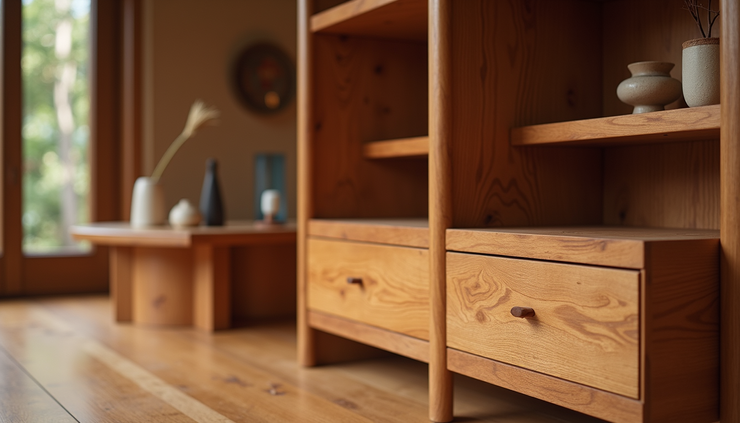
Wright designed not just buildings but also the furniture inside them. He believed every element should fit the overall design and purpose of the space. Built-in furniture saved space and reinforced the architectural style.
This approach created cohesive interiors where furniture and architecture worked together. It also encouraged efficient use of space, a principle that remains important in small or urban homes today.
By designing furniture that matched the building’s lines and materials, Wright ensured a unified look and feel, enhancing the user’s experience.
Emphasis on Human Scale and Comfort
Wright focused on designing spaces that felt comfortable and human-centered. He avoided grandiose, overwhelming structures and instead created homes and buildings that fit the people who used them.
This meant paying attention to proportions, natural light, and materials that felt warm and inviting. Wright’s designs often included low ceilings, cozy nooks, and thoughtful details that made spaces feel personal.
This human scale approach contrasts with many modern buildings that prioritize size or spectacle over comfort. Wright’s work reminds designers to put people first.
Conclusion
Frank Lloyd Wright’s concepts changed architecture and design by introducing ideas that connect buildings to nature, open up living spaces, and focus on human comfort. His work shows how thoughtful design can improve how we live and interact with our environment.
Today, architects and designers continue to draw inspiration from Wright’s principles. Whether it’s creating sustainable homes, flexible interiors, or harmonious outdoor spaces, his legacy guides the future of building.


Comments